
How to Pack Your Car for Camping (Simple Layout & Organization Tips for Beginners)
A stress-free system to pack efficiently, stay organized, and find what you need fast
Kat Culler
1/29/20263 min read
Affiliate Disclosure: This post contains affiliate links. This means I may earn a small commission—at no extra cost to you—if you choose to purchase through my links. I only recommend products I genuinely trust and use.
Introduction
Packing your car for camping can feel overwhelming—especially if it’s your first trip. Gear piles up quickly, important items get buried, and suddenly your calm getaway starts with frustration before you even arrive.
If you’re new to camping, starting with the Ultimate Beginner’s Guide to Car Camping helps build a strong foundation. This article focuses specifically on how to pack your car efficiently so setup is easier, gear stays organized, and your campsite feels calm from the moment you arrive.
Good packing isn’t about bringing less—it’s about placing things intentionally.
Why Car Packing Strategy Matters
A smart packing layout helps you:
Find items quickly
Set up camp faster
Avoid unloading everything at once
Keep essentials accessible
Reduce stress
This becomes especially important if you arrive late, encounter bad weather, or need to grab something quickly.
Step 1: Decide What You Actually Need
Before packing, confirm what’s coming with you.
Using a checklist prevents overpacking and forgotten essentials. The Car Camping Checklist helps you narrow things down before loading anything into your car.
Group items into categories:
Shelter & sleeping
Kitchen & food
Clothing
Comfort items
Safety & essentials
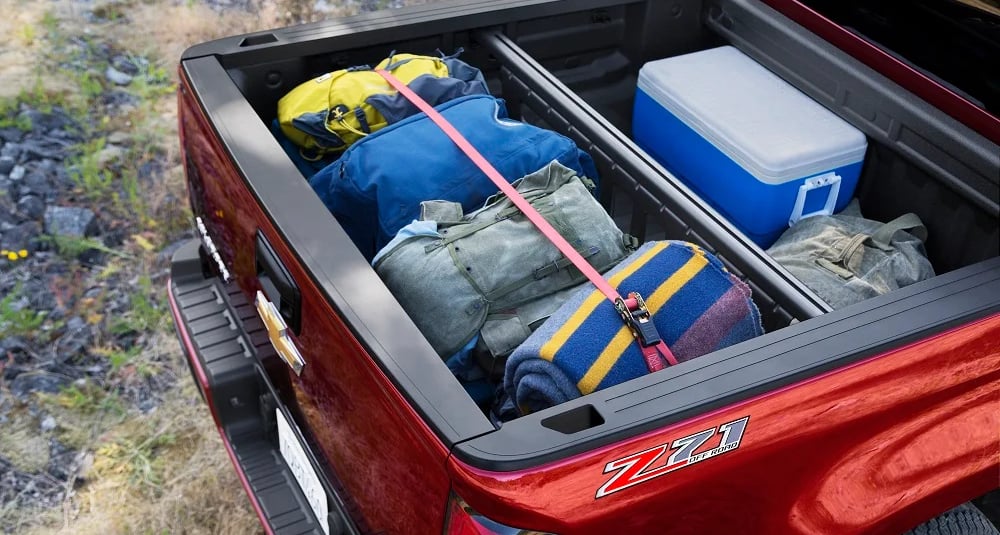
Step 2: Pack by Zones, Not Randomly
Think of your car as having zones.
Common zones include:
Trunk / cargo area – bulk gear
Back seat – items you may need sooner
Front seat area – quick-access essentials
Assigning zones keeps your setup intentional.
These car camping organization ideas are especially helpful for creating a clean, functional packing system.
Step 3: Put “Setup-First” Items Near the Top
When you arrive at camp, you don’t want to dig.
Keep these items accessible:
Shelter or tent
Sleeping setup
Headlamp or lantern
Warm layers
This pairs perfectly with a clear setup routine. This guide on how to set up camp efficiently explains the best order once you arrive.
Step 4: Use Clear Bins & Soft Bags Strategically
Hard bins are great for structure; soft bags are great for flexibility.
Use bins for:
Kitchen gear
Food
Toiletries
Miscellaneous supplies
Use duffels or soft bags for:
Clothing
Bedding
Pillows and blankets
Clear bins help you see what’s inside without unpacking. I really like these cheap ones from Lowes.
Step 5: Pack Heavy Items Low & Forward
For safety and stability:
Put heavier items low
Keep weight closer to the center of the car
Avoid stacking heavy gear too high
This improves driving comfort and reduces shifting while driving.
Step 6: Create a “Quick-Grab” Kit
Set aside a small bag or bin with:
Headlamp
Snacks
Water bottle
Toilet kit
Phone charger
Layers
This is especially helpful if you arrive after dark or stop overnight.
Step 7: Separate Food & Sleeping Gear
Always keep food and sleeping gear separate.
Why:
Food smells linger
Coolers get wet
Sleeping gear needs to stay dry
Food storage is also a safety issue. These car camping safety tips for beginners explain why food management matters at camp.
Step 8: Plan for Weather
Weather changes affect packing priorities.
If rain is possible:
Keep rain gear accessible
Pack tarps near the top
Separate wet/dry items
This guide on camping in the rain explains why wet-weather packing requires extra intention.
Step 9: Clothing Goes Last (But Stays Organized)
Clothing is flexible and can fill gaps.
Pack clothing:
In packing cubes or labeled bags
Separate sleepwear from daytime clothes
Keep warm layers accessible
If you want a full breakdown of what to bring, this guide on what to wear car camping walks through clothing choices for every season.
Step 10: Leave Space for the Return Trip
Things rarely go back as neatly.
Leave:
Extra space for dirty clothes
Room for trash
Flexibility for rearranging
A little breathing room prevents frustration on the way home.
Packing Tips for Solo Campers
If you’re camping alone:
Keep essentials within arm’s reach
Avoid burying safety items
Store valuables in the same place every time
These tips pair well with this solo car camping for beginners guide, which covers confidence and comfort when traveling alone.
Common Beginner Packing Mistakes
Avoid:
Packing without a plan
Burying essentials
Mixing food with bedding
Overpacking “just in case” items
Forgetting space for repacking
Many of these issues disappear with a simple system. These 25 car camping hacks for beginners include several shortcuts that improve packing efficiency.
Final Thoughts
Packing your car for camping doesn’t need to be complicated. With a simple layout, clear zones, and a little planning, your car becomes an organized base camp instead of a chaotic storage unit.
Once you dial in a packing system that works for you, every future trip becomes easier. Start simple, adjust as needed, and let your system evolve over time.
Keep Camping Simple
Camping doesn’t need to be complicated. A few thoughtful choices make all the difference.
Want Simple Camping Tips Each Month?
Once a month, I send one short email with practical tips, comfort upgrades, and easy planning ideas.
No clutter. Just simple camping.