
Camping in the Rain: Beginner Tips to Stay Dry, Warm & Comfortable
Simple strategies to enjoy your trip—even when the weather doesn’t cooperate
Kat Culler
1/15/20263 min read
Affiliate Disclosure: This post contains affiliate links. This means I may earn a small commission—at no extra cost to you—if you choose to purchase through my links. I only recommend products I genuinely trust and use.
Introduction
Rain is one of the biggest worries for beginner campers—but it doesn’t have to ruin your trip. With the right preparation and mindset, camping in the rain can still be cozy, peaceful, and surprisingly enjoyable.
If you’re new to camping overall, starting with the Ultimate Beginner’s Guide to Car Camping helps build confidence before tackling more challenging conditions like wet weather. This article focuses specifically on how to stay dry, warm, and comfortable when rain shows up—whether it’s a light drizzle or a steady downpour.
1. Choose the Right Campsite (Rain Matters Here)
Where you set up camp is critical in wet conditions.
Look for:
Slightly elevated ground
Natural drainage away from your site
Firm, compact soil
Tree cover without dead branches
Avoid:
Low spots
Dry creek beds
Areas where water could pool
This guide on how to choose a campsite goes deeper into terrain, drainage, and exposure—especially helpful when rain is in the forecast.
2. Check the Weather—but Don’t Panic
Weather forecasts are helpful, but not perfect.
Before your trip:
Check multiple forecasts
Look at hourly predictions
Pay attention to overnight lows
Light rain is manageable. Severe storms may be worth rescheduling—but many trips can still be enjoyable with basic preparation.
Rain is also a key safety consideration. These car camping safety tips for beginners explain when to stay put and when to adjust plans.
3. Dress for Rain (Layers Matter)
Staying dry starts with clothing.
Wear:
Moisture-wicking base layers
Insulating mid layers
Waterproof or water-resistant outer layers
Avoid cotton—it holds moisture and makes you cold.
If you want a deeper breakdown of layering and clothing choices, this guide on what to wear car camping walks through options for every season.
4. Keep Your Sleeping Area Dry
Nothing matters more than dry sleep gear.
Tips:
Set up tents on higher ground
Use a groundsheet or footprint
Keep sleeping bags in waterproof bags
Change into dry clothes before bed
If you’re sleeping in your vehicle, rain becomes much easier to manage. This guide on how to sleep in your car comfortably and safely explains setups that work well in wet weather.
Before any trip with rain in the forecast, double-check your essentials—the Car Camping Checklist helps make sure nothing important gets forgotten.
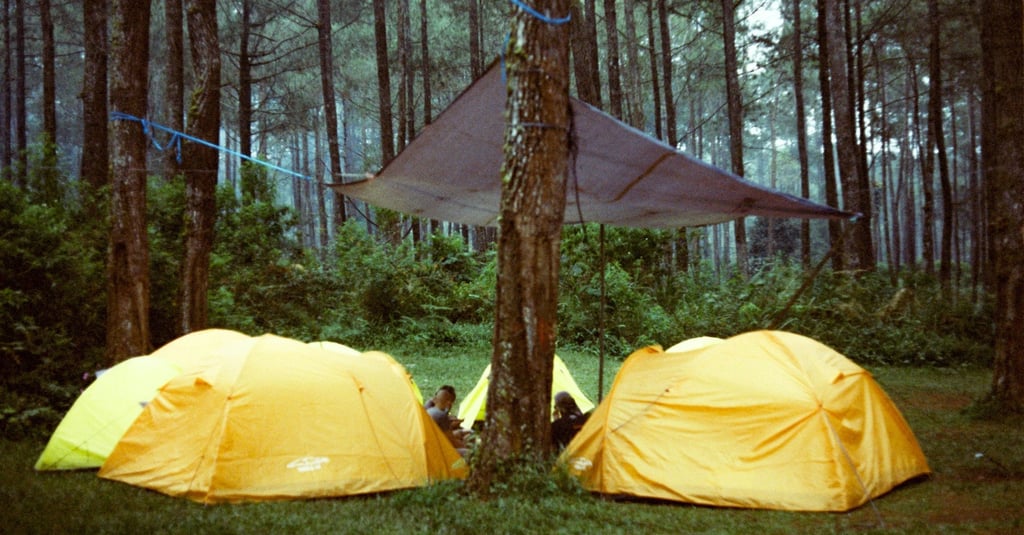
5. Use Tarps & Rain Covers Strategically
Tarps are incredibly useful in the rain.
Use them to:
Create a dry cooking area
Cover gear
Protect tent entrances
Add a dry hangout space
A simple tarp can completely change how comfortable a rainy campsite feels.
6. Organize Gear to Control Moisture
Wet gear spreads fast if things aren’t organized.
Helpful habits:
Separate wet and dry bins
Keep clothes in sealed bags
Store rain gear near the car entrance
These car camping organization ideas are especially helpful when dealing with rain and mud.
7. Cook Simple Meals (Rain-Friendly Food)
Rainy weather is not the time for complicated meals.
Stick with:
One-pot meals
No-cook lunches
Prepped food from home
Warm food helps keep spirits high when it’s damp outside. These easy camping meals for beginners work well even when cooking conditions aren’t ideal.
8. Keep Warm—Even When It’s Wet
Rain often brings colder temperatures, especially at night.
To stay warm:
Change out of damp clothes quickly
Wear dry socks and layers
Use a beanie or hat
Eat warm meals
Cold + wet is where discomfort happens fastest. This guide on how to stay warm while car camping is especially important for rainy trips.
9. Adjust Expectations (This Is Key)
Rain changes the rhythm of a camping trip.
Instead of fighting it:
Read
Play cards
Nap
Listen to rain sounds
Enjoy slower mornings
Some of the most memorable camping trips happen in unexpected weather.
10. Know When to Call It
Sometimes, leaving early is the right choice.
Consider packing up if:
Severe storms are expected
Flooding becomes a concern
Winds are unsafe
You feel uncomfortable or unsafe
Car camping gives you flexibility—use it.
If you’re camping on public land or dispersed sites, this dispersed camping for beginners guide explains additional rain-related safety considerations.
Common Beginner Mistakes When Camping in the Rain
Setting up too low
Wearing cotton
Letting wet clothes mix with dry ones
Overplanning activities
Ignoring weather updates
Many of these are easy to avoid with preparation. These 25 car camping hacks for beginners include several tips that make rainy trips smoother.
Final Thoughts
Camping in the rain doesn’t have to be miserable. With the right clothing, campsite choice, and a few simple adjustments, wet-weather camping can still be comfortable—and even enjoyable.
Start with shorter trips, prepare for moisture, and focus on staying warm and dry. Over time, rain will feel like just another part of the adventure—not something to fear.
Keep Camping Simple
Camping doesn’t need to be complicated. A few thoughtful choices make all the difference.
Want Simple Camping Tips Each Month?
Once a month, I send one short email with practical tips, comfort upgrades, and easy planning ideas.
No clutter. Just simple camping.