
Solo Car Camping for Beginners (Safety, Comfort & Confidence Guide)
Everything you need to know to camp alone comfortably—even on your first trip
Kat Culler
1/26/20263 min read
Affiliate Disclosure: This post contains affiliate links. This means I may earn a small commission—at no extra cost to you—if you choose to purchase through my links. I only recommend products I genuinely trust and use.
Introduction
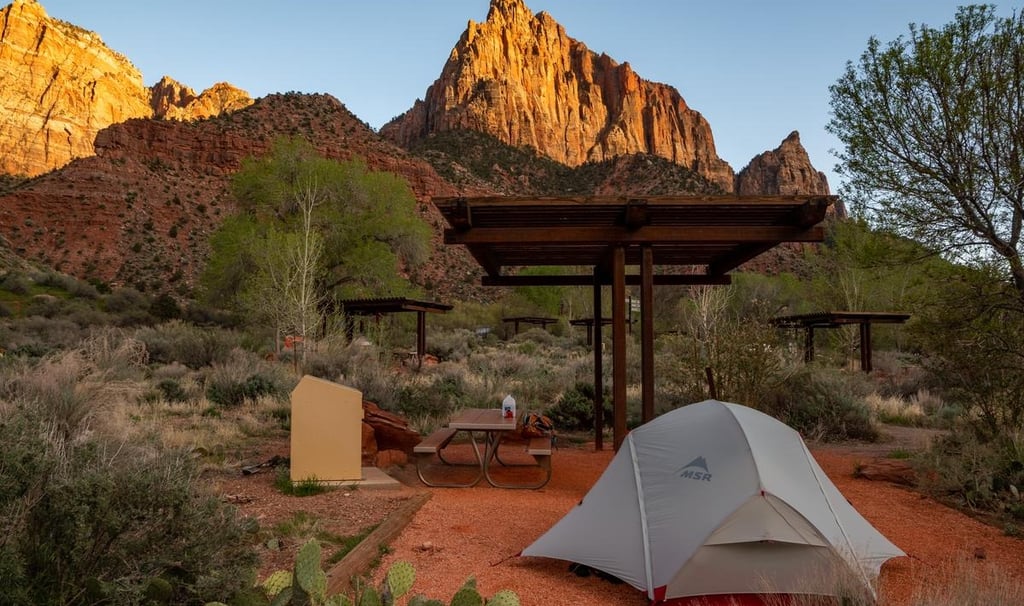
Solo car camping can feel intimidating at first—but it’s also one of the most empowering and rewarding ways to experience the outdoors. Camping alone gives you complete freedom over your schedule, setup, and pace, without needing to coordinate with anyone else.
If you’re brand new to camping, it helps to start with the Ultimate Beginner’s Guide to Car Camping, which covers the basics before stepping into solo trips. This article focuses specifically on how to camp alone safely, comfortably, and confidently—especially as a beginner.
Is Solo Car Camping Safe for Beginners?
Yes—solo car camping is generally very safe when you take a few smart precautions.
Car camping is especially beginner-friendly because:
Your vehicle is always nearby
You can leave easily if needed
You have secure storage for gear and food
You’re not far from help in developed areas
Many solo campers start with car camping before exploring other styles.
Choose the Right Campsite for Solo Camping
Where you camp matters even more when you’re alone.
Look for campsites that:
Are easy to access
Have some visibility (not completely isolated)
Are close to amenities if desired
Have good reviews
If you’re unsure how to evaluate a spot, this guide on how to choose a campsite walks through what makes a location feel safe and comfortable.
If you’re interested in free or dispersed sites, start slow—this dispersed camping for beginners guide explains how to ease into it confidently.
Let Someone Know Your Plans
Before heading out solo, always tell someone:
Where you’re going
When you expect to return
Your general route or campground
This is one of the simplest and most effective safety habits—especially if cell service is limited.
Arrive Early & Set Up Before Dark
Arriving early gives you:
Time to assess the area
A calm setup process
Daylight to notice surroundings
This is especially important when camping alone.
Following a clear setup routine helps reduce stress—this guide on how to set up camp efficiently walks through a beginner-friendly order that works well for solo trips.
Sleep Where You Feel Most Comfortable
Many solo campers prefer sleeping in their vehicle for added peace of mind.
Benefits include:
Quick exit if needed
Better weather protection
Fewer setup steps
If that appeals to you, this guide on how to sleep in your car comfortably and safely explains how to set up a cozy and secure sleep space.
If you use a tent, choose a site with level ground and good visibility.
Organize Gear to Reduce Anxiety
Clutter increases stress—especially when you’re alone.
Simple organization tips:
Keep essentials within reach
Use bins to separate gear
Store valuables in your car
Designate a “nighttime kit”
These car camping organization ideas are especially helpful for solo campers who want a calm, tidy setup.
Food & Cooking While Camping Alone
Solo camping meals should be:
Simple
Low-effort
Easy to clean up
Stick with one-pot meals or no-cook options. These easy camping meals for beginners work perfectly for solo trips and reduce time spent cooking.
Always store food properly—especially when camping alone. These car camping safety tips for beginners explain why food management matters.
Trust Your Instincts
This is one of the most important solo camping skills.
If something feels off:
Move campsites
Lock valuables in your car
Leave the area
You don’t owe anyone politeness at the expense of your comfort or safety.
Car camping gives you flexibility—use it.
What to Do at Camp When You’re Alone
Solo camping doesn’t have to feel boring.
Enjoy:
Reading
Journaling
Photography
Listening to music or podcasts
Early nights and slow mornings
Solo trips are a great chance to recharge.
What to Pack for Solo Car Camping
When camping alone, being prepared matters.
Before leaving, double-check essentials with the Car Camping Checklist so nothing important gets overlooked.
Pay special attention to:
Lighting (headlamp + backup)
First aid
Warm layers
Phone chargers or power banks
Common Beginner Fears (and Why They’re Overblown)
Many beginners worry about:
Wildlife
Noise at night
Being alone
In reality:
Animals avoid people
Campgrounds are generally quiet
Most campers mind their own business
Preparation reduces fear far more than experience.
Start Small & Build Confidence
Your first solo trip doesn’t need to be extreme.
Start with:
One-night trips
Familiar campgrounds
Good weather windows
Sites close to home
Confidence grows quickly with experience.
Final Thoughts
Solo car camping is one of the most freeing ways to enjoy the outdoors. With thoughtful planning and simple safety habits, it’s absolutely accessible for beginners. Start small, trust yourself, and go at your own pace.
Over time, solo camping becomes less about fear and more about confidence, independence, and calm.
Keep Camping Simple
Camping doesn’t need to be complicated. A few thoughtful choices make all the difference.
Want Simple Camping Tips Each Month?
Once a month, I send one short email with practical tips, comfort upgrades, and easy planning ideas.
No clutter. Just simple camping.