
Car Camping Safety Tips for Beginners (What to Know Before You Go)
Simple, practical safety tips to help beginners feel confident and prepared on every trip
Kat Culler
1/8/20263 min read
Affiliate Disclosure: This post contains affiliate links. This means I may earn a small commission—at no extra cost to you—if you choose to purchase through my links. I only recommend products I genuinely trust and use.
Introduction
Car camping is one of the easiest and most beginner-friendly ways to enjoy the outdoors—but like any outdoor activity, it comes with safety considerations. The good news is that most camping safety issues are easy to avoid with a little preparation and awareness.
If you’re brand new to camping, it helps to start with a solid foundation like the Ultimate Beginner’s Guide to Car Camping, which covers gear, setup, and planning basics. This article builds on that foundation by focusing specifically on safety—so you can relax and enjoy your trip with confidence.
1. Choose a Safe Campsite
Where you camp plays a huge role in your safety.
Look for sites that are:
Flat and level
Free of dead branches overhead
Not in low-lying areas that could flood
A reasonable distance from other campers
Avoid camping:
In dry creek beds
Directly under large dead trees
Too close to roads or trailheads
If you’re unsure how to evaluate a site, this guide on how to choose a campsite walks through exactly what to look for.
2. Let Someone Know Your Plans
Before leaving, tell a friend or family member:
Where you’re going
When you plan to return
What area you’ll be camping in
This is especially important if you’re camping on public land or somewhere without reliable cell service.
If you’re planning to camp outside of developed campgrounds, this guide on how to find free camping explains where service may be limited and why preparation matters even more.
3. Arrive Before Dark
Arriving at your campsite before sunset allows you to:
Safely assess the area
Set up camp calmly
Identify hazards
Avoid driving unfamiliar roads at night
Many beginner camping mistakes happen simply because people arrive too late and rush setup.
4. Be Prepared for Weather Changes
Weather can change quickly, even if the forecast looks good.
Always prepare for:
Colder nights
Wind
Rain
Sudden temperature drops
Layered clothing, proper bedding, and wind protection make a big difference. This guide on how to stay warm while car camping is especially helpful for beginners who underestimate nighttime temperatures.
5. Store Food Properly
Improper food storage is one of the most common camping safety issues.
Always:
Store food in sealed containers
Keep food out of your tent
Clean up crumbs and spills
Secure trash properly
This helps prevent attracting wildlife and keeps your campsite safer and cleaner.
Staying organized makes this much easier—these car camping organization ideas are especially useful for managing food and trash at camp.
6. Use Fire Safely (or Skip It Entirely)
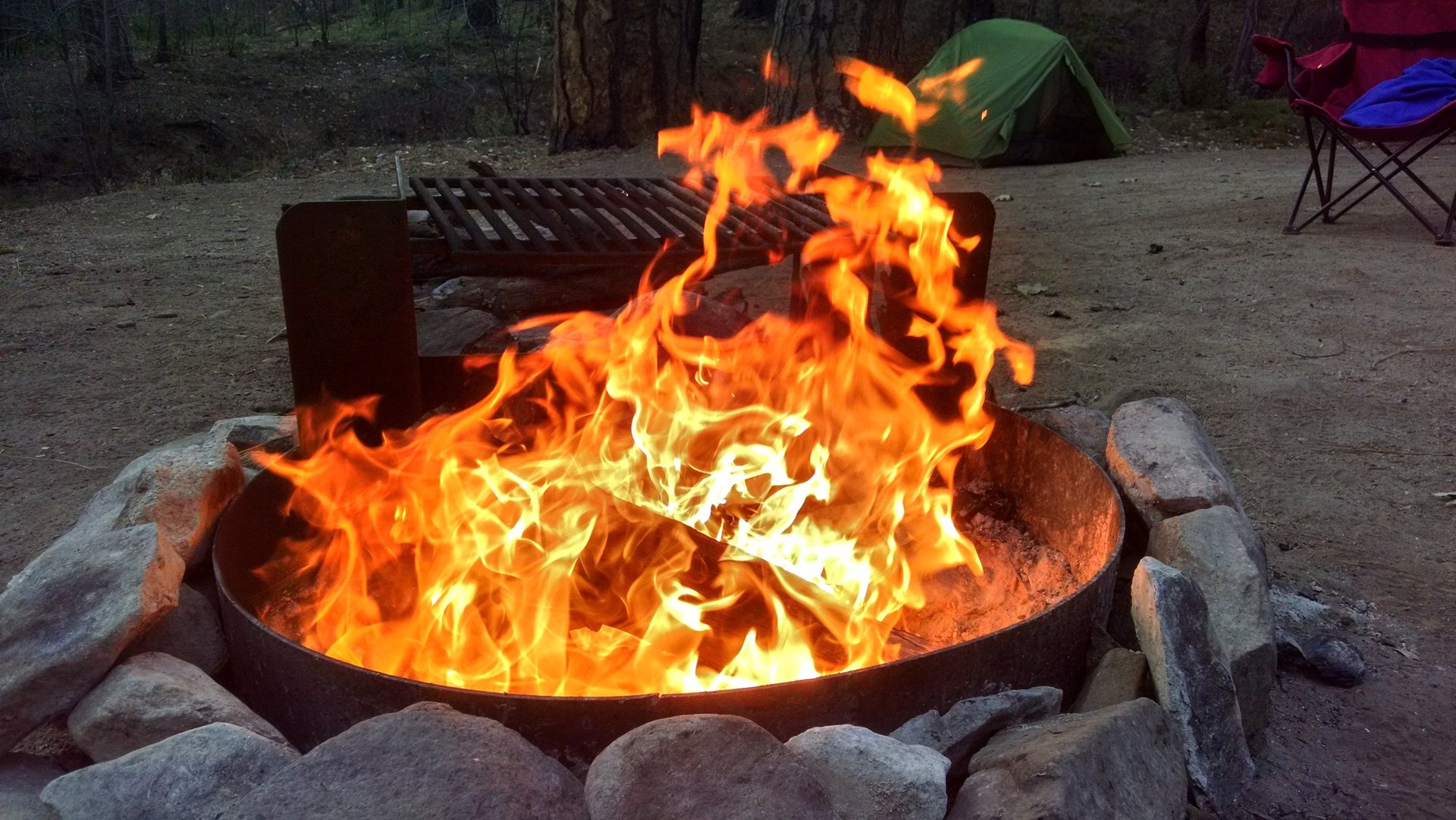
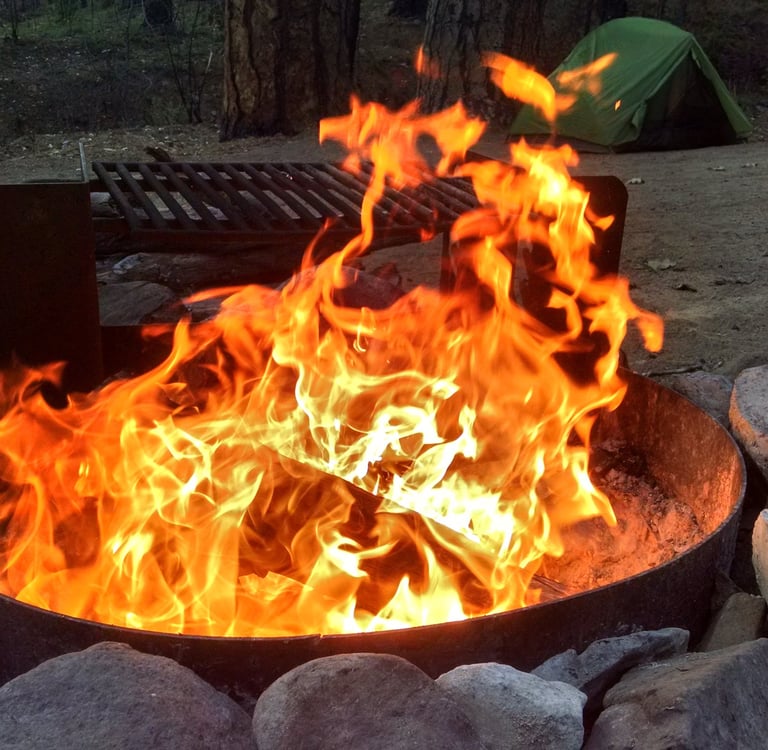
Campfires are enjoyable, but they require responsibility.
Before lighting a fire:
Check local fire restrictions
Use existing fire rings only
Keep water nearby
Never leave a fire unattended
During high fire danger, skip fires completely. Many safe and enjoyable camping trips happen without one.
7. Have a Safe Sleeping Setup
A good night’s sleep is essential for safety and enjoyment.
Make sure you:
Sleep on level ground
Keep warm overnight
Know where your flashlight or headlamp is
Keep shoes within reach
Many beginners choose to sleep in their vehicles for added comfort and security. If that’s your plan, this guide on how to sleep in your car comfortably and safely walks through best practices.
Before any trip, using a checklist helps ensure you don’t forget essential safety items—the Car Camping Checklist is especially helpful here.
8. Be Aware of Wildlife
Wildlife encounters are rare, but awareness matters.
General tips:
Never feed animals
Keep food sealed
Store trash properly
Keep pets leashed
If you’re bringing a dog along, this guide to camping with dogs covers safety tips for keeping your pup protected outdoors.
9. Stay Aware of Your Surroundings
Trust your instincts. If something feels off:
Move campsites
Lock valuables in your car
Leave the area
Car camping gives you flexibility—use it.
If you’re camping on public land or dispersed sites, this dispersed camping for beginners guide explains additional safety considerations and etiquette.
10. Keep a Simple First Aid Kit
You don’t need anything fancy, but basic supplies help with:
Minor cuts
Blisters
Headaches
Allergies
Keep your kit easily accessible—not buried at the bottom of a bin. I use this one from Amazon.
11. Don’t Overcomplicate Things
Many safety issues come from overpacking, overplanning, or stress.
Simple meals, organized gear, and realistic expectations go a long way. These 25 car camping hacks for beginners include several tips that help keep trips calm and manageable.
For food planning, sticking with simple options like these easy camping meals for beginners reduces cooking-related stress and cleanup.
Final Thoughts
Car camping is a safe, approachable way to experience the outdoors—especially when you take a few simple precautions. Most safety concerns can be avoided with thoughtful planning, awareness, and a willingness to slow down.
Choose your campsite carefully, arrive early, stay organized, and trust your instincts. With each trip, your confidence will grow—and safety will become second nature.
Keep Camping Simple
Camping doesn’t need to be complicated. A few thoughtful choices make all the difference.
Want Simple Camping Tips Each Month?
Once a month, I send one short email with practical tips, comfort upgrades, and easy planning ideas.
No clutter. Just simple camping.