
What to Wear Car Camping (Beginner Clothing Guide for Every Season)
A simple, no-stress guide to dressing comfortably for car camping—without overpacking.
Kat Culler
1/12/20264 min read
Affiliate Disclosure: This post contains affiliate links. This means I may earn a small commission—at no extra cost to you—if you choose to purchase through my links. I only recommend products I genuinely trust and use.
Introduction
One of the most common questions new campers ask is: What should I actually wear car camping? Clothing mistakes can make a trip uncomfortable fast—too cold at night, too hot during the day, or stuck in damp clothes with no backup.
If you’re brand new to camping, it helps to start with a solid foundation like the Ultimate Beginner’s Guide to Car Camping, which covers gear, setup, and planning basics. This article focuses specifically on clothing—what to wear, what to avoid, and how to layer so you stay comfortable in any season.
The good news? You don’t need special or expensive camping clothes to get started. You just need the right approach.
The Golden Rule of Camping Clothes: Layering
Layering is the key to staying comfortable outdoors.
A simple layering system lets you:
Adjust to temperature changes
Stay warm at night
Avoid overheating during the day
Handle wind or light rain
Most beginner discomfort comes from not layering properly.
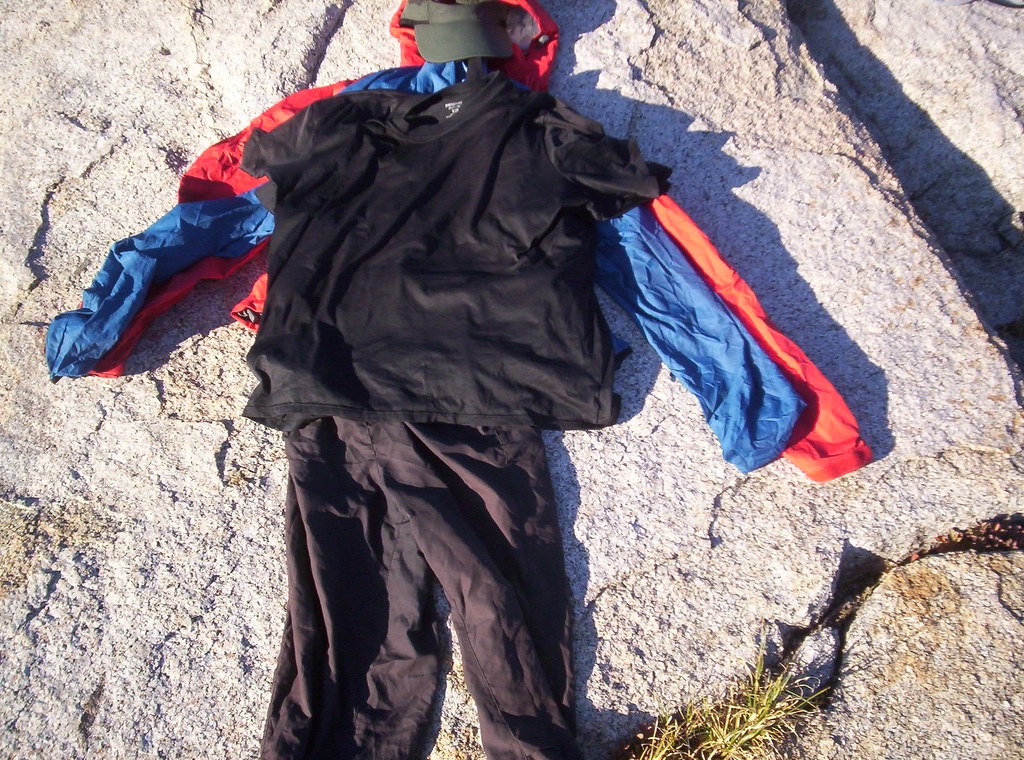
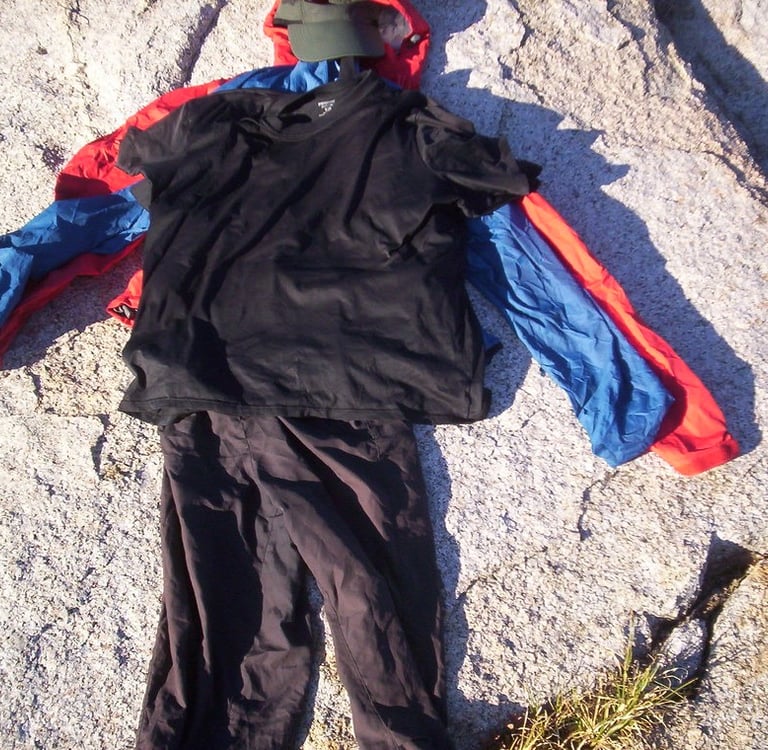
Base Layers: What You Wear Next to Your Skin
Base layers manage moisture and temperature.
What to choose
Lightweight, breathable fabrics
Moisture-wicking materials
Long sleeves and long bottoms for cooler weather
What to avoid
Cotton (it traps moisture and makes you cold)
Base layers are especially important if you’re camping somewhere with big temperature swings or sleeping outdoors.
Mid Layers: Warmth Without Bulk
Mid layers provide insulation.
Good options include:
Fleece jackets
Lightweight insulated jackets
Hoodies made from synthetic materials
These layers are easy to take on and off throughout the day.
Cold nights surprise a lot of beginners—this guide on how to stay warm while car camping explains why layering matters so much after sunset.
Outer Layers: Protection from Wind & Weather
Outer layers block wind, rain, and snow.
Look for:
Wind-resistant jackets
Waterproof or water-resistant shells
Lightweight rain jackets
Even in dry climates, wind protection makes a big difference in comfort.
If you’re camping in unpredictable weather, pairing the right outer layers with smart campsite selection helps—this guide on how to choose a campsite covers how wind, shade, and exposure affect comfort.
What to Wear Car Camping by Season
What to Wear Car Camping in Summer
Summer camping is all about breathability and sun protection.
Bring:
Lightweight shirts
Shorts or breathable pants
Sun hat or cap
Sunglasses
Light jacket for evenings
Even summer nights can get chilly, especially at higher elevations.
What to Wear Car Camping in Spring & Fall
These seasons are where layering really matters.
Bring:
Long-sleeve base layers
Insulating mid layers
Warm socks
Beanie or hat
Gloves (especially in shoulder seasons)
Spring and fall trips are often more comfortable than summer—as long as you’re prepared for colder nights.
What to Wear Car Camping in Winter
Winter car camping requires extra care.
Bring:
Thermal base layers
Insulated jackets
Warm hats and gloves
Thick socks
Waterproof outer layers
If you’re camping in colder conditions, planning your sleep system and clothing together matters. The Car Camping Checklist helps make sure you don’t forget essential cold-weather items.
Sleepwear: What to Wear to Bed While Camping
Sleeping clothes matter more than people expect.
Wear:
Clean, dry base layers
Warm socks
A beanie in cold weather
Avoid wearing:
Clothes you wore all day
Damp or sweaty items
Changing into dedicated sleepwear helps your body retain heat overnight—especially if you’re sleeping outside or in your vehicle.
If you’re planning to sleep in your car, this guide on how to sleep in your car comfortably and safely covers clothing considerations as well as bedding.
Footwear: Shoes Matter More Than You Think
Bring at least two footwear options.
Recommended:
Comfortable walking shoes or hiking shoes
Camp shoes (sandals or slip-ons)
Camp shoes make late-night bathroom trips and mornings much easier.
Underwear & Socks: Bring Extras
Always pack extra socks and underwear.
Wet feet or cold toes can ruin a trip quickly. Wool or synthetic socks are ideal—they stay warmer even when damp.
Accessories That Make a Big Difference
Small items can dramatically improve comfort:
Beanie or warm hat
Gloves
Neck gaiter or scarf
Sunglasses
Lightweight blanket or camp blanket
These take up little space but add a lot of flexibility.
What NOT to Wear Car Camping
Some common beginner mistakes:
Cotton jeans (cold when wet)
Brand-new shoes (blisters!)
Heavy, bulky jackets instead of layers
Single outfits with no backups
Keeping clothing simple and functional reduces stress and packing chaos.
How Clothing Fits Into Overall Camping Safety
Clothing is part of staying safe outdoors.
Proper layers help you:
Regulate body temperature
Stay dry
Avoid hypothermia
Sleep better
This is why clothing planning is often included in car camping safety tips for beginners, especially for those new to outdoor trips.
Packing Clothing Without Overpacking
It’s easy to bring too much.
A simple rule:
1 daytime outfit per day
1 warm layer
1 outer layer
1 sleep outfit
Extra socks and underwear
Staying organized helps a lot—these car camping organization ideas make managing clothing much easier at camp.
Final Thoughts
You don’t need special camping clothes to enjoy car camping—you just need the right layers and a little planning. By focusing on comfort, flexibility, and weather awareness, you’ll stay warm when it’s cold, cool when it’s hot, and comfortable all day long.
As you camp more, you’ll refine your clothing system based on what works for you. Until then, this simple approach will keep things easy, practical, and stress-free—no matter the season.
Keep Camping Simple
Camping doesn’t need to be complicated. A few thoughtful choices make all the difference.
Want Simple Camping Tips Each Month?
Once a month, I send one short email with practical tips, comfort upgrades, and easy planning ideas.
No clutter. Just simple camping.