
Camping in Cold Weather (Beginner Tips to Stay Warm, Safe & Comfortable)
Simple strategies to enjoy camping when temperatures drop—without overcomplicating your setup.
Kat Culler
2/26/20263 min read
Affiliate Disclosure: This post contains affiliate links. This means I may earn a small commission—at no extra cost to you—if you choose to purchase through my links. I only recommend products I genuinely trust and use.
Introduction
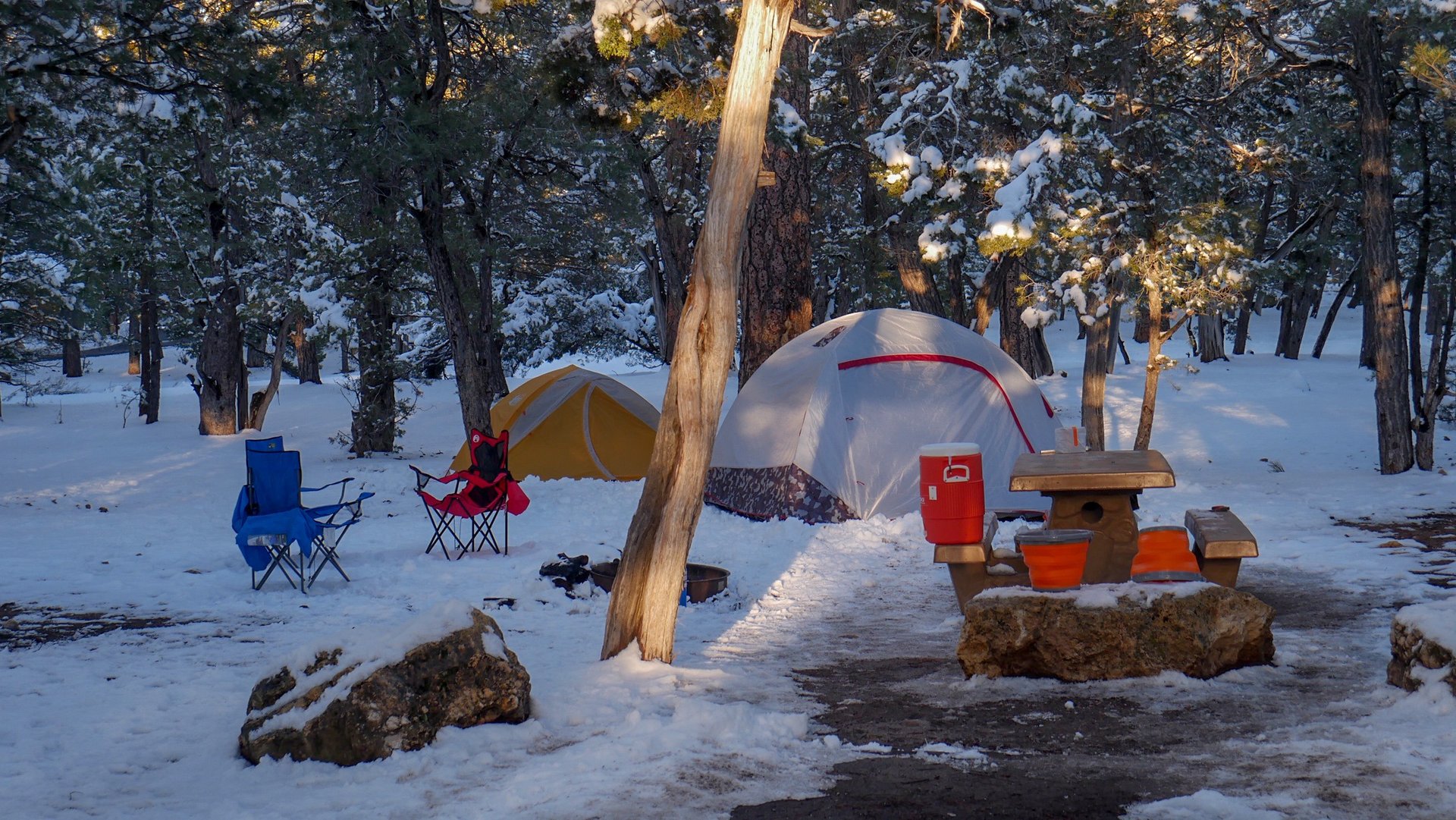
Cold weather camping can be peaceful, quiet, and incredibly rewarding—but it also comes with challenges that beginners aren’t always prepared for. Cold temperatures affect sleep, energy levels, and overall comfort, which is why planning matters more when the weather turns chilly.
If you’re new to camping, the Ultimate Beginner’s Guide to Car Camping covers the basics of getting started. This article focuses specifically on how to camp comfortably and safely in cold weather, with practical tips that help beginners stay warm without packing unnecessary gear.
Cold weather doesn’t have to mean uncomfortable camping.
Why Cold Weather Camping Feels Harder
Cold affects:
Sleep quality
Body temperature regulation
Energy levels
Motivation to cook or move around
Most cold-weather discomfort comes from small gaps in preparation—not extreme conditions.
Dress for Cold Weather (Layering Is Everything)
Clothing is your first line of defense against the cold.
Wear:
Moisture-wicking base layers
Insulating mid layers
Wind- and weather-resistant outer layers
Avoid cotton—it traps moisture and makes you colder.
This guide on what to wear car camping breaks down layering in detail for all seasons, including cold conditions.
Keep Your Sleeping Setup Warm
Staying warm at night is the biggest cold-weather challenge for beginners.
Helpful tips:
Use a sleeping bag rated colder than expected temps
Add extra blankets
Insulate underneath you
Wear warm sleep clothes
Change into dry layers before bed
Cold nights surprise many campers. This guide on how to stay warm while car camping explains how insulation and layering work together for better sleep.
If you sleep in your vehicle, this guide on how to sleep in your car comfortably and safely covers ventilation and warmth considerations.
Choose a Campsite That Reduces Cold Exposure
Where you camp affects how cold it feels.
Look for:
Natural wind protection
Lower elevations (often warmer at night)
Morning sun exposure
Avoid:
Exposed ridges
Wind tunnels
Low, damp areas
This guide on how to choose a campsite explains how terrain and exposure impact temperature and comfort.
Eat Warm, Simple Meals
Cold weather increases calorie needs.
Helpful food strategies:
Eat warm meals when possible
Choose simple, comforting foods
Snack more frequently
Even if you don’t want to cook much, planning matters. These easy camping meals for beginners include warm, low-effort options.
If you want to minimize cooking in the cold, make-ahead camping meals can help reduce time spent outside preparing food.
Hydration Still Matters in the Cold
Cold weather can make you forget to drink water.
Tips:
Drink regularly, even if you’re not thirsty
Warm drinks can help with comfort
Avoid excessive caffeine or alcohol
Hydration supports circulation and warmth.
Manage Moisture Carefully
Moisture makes cold feel much worse.
Be mindful of:
Sweat buildup
Wet socks or clothing
Condensation inside tents or vehicles
Change damp clothes promptly and keep sleeping gear dry.
Staying organized helps prevent moisture spreading—these car camping organization ideas help keep wet and dry gear separate.
Simplify Camp Setup
Cold makes everything feel harder.
To reduce discomfort:
Set up camp efficiently
Limit unnecessary movement
Keep essentials within reach
This guide on how to set up camp efficiently explains a setup order that works especially well in cold conditions.
Know the Signs of Cold-Related Issues
Cold weather safety is just as important as comfort.
Watch for:
Uncontrollable shivering
Numbness
Confusion
Fatigue
If symptoms appear:
Add layers
Eat and hydrate
Seek warmth immediately
These car camping safety tips for beginners explain why cold-related issues can escalate quickly.
Camping with Kids or Pets in Cold Weather
Extra care is needed when others rely on you.
For kids:
Layer clothing
Monitor warmth frequently
Encourage movement
For pets:
Provide insulation from the ground
Ensure access to warmth
Limit time in extreme cold
If you’re camping with a dog, this guide to camping with dogs covers cold-weather considerations.
When It’s Best to Adjust or Leave
Cold-weather camping requires flexibility.
Consider leaving early if:
Warmth can’t be maintained
Weather worsens unexpectedly
Anyone feels unsafe or unwell
Car camping allows you to adjust plans easily—use that advantage.
Common Beginner Cold-Weather Mistakes
Avoid:
Underestimating nighttime temperatures
Wearing cotton layers
Skipping insulation under sleeping gear
Not eating enough
Letting gear get damp
Most cold-weather mistakes are easy to fix with awareness and preparation.
Final Thoughts
Cold weather camping doesn’t require extreme gear or experience—just thoughtful preparation. By layering properly, focusing on sleep warmth, choosing sheltered campsites, and keeping systems simple, beginners can camp comfortably even when temperatures drop.
Take it slow, listen to your body, and prioritize warmth. With the right approach, cold weather camping can be quiet, cozy, and incredibly rewarding.
Keep Camping Simple
Camping doesn’t need to be complicated. A few thoughtful choices make all the difference.
Want Simple Camping Tips Each Month?
Once a month, I send one short email with practical tips, comfort upgrades, and easy planning ideas.
No clutter. Just simple camping.