
Spring Camping Tips for Beginners
How to handle mud, unpredictable weather, and early-season surprises without stress
Kat Culler
4/16/20263 min read
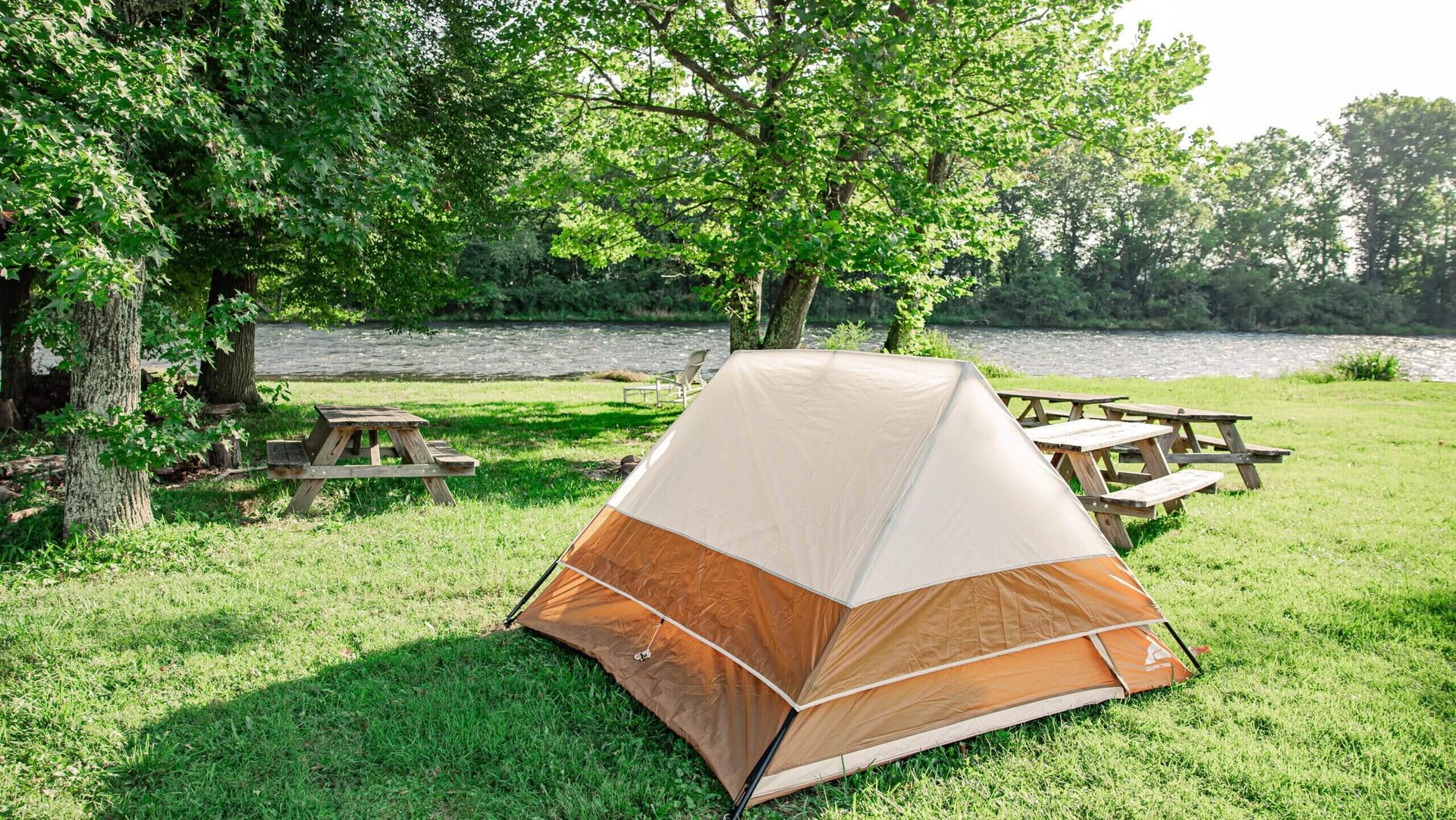
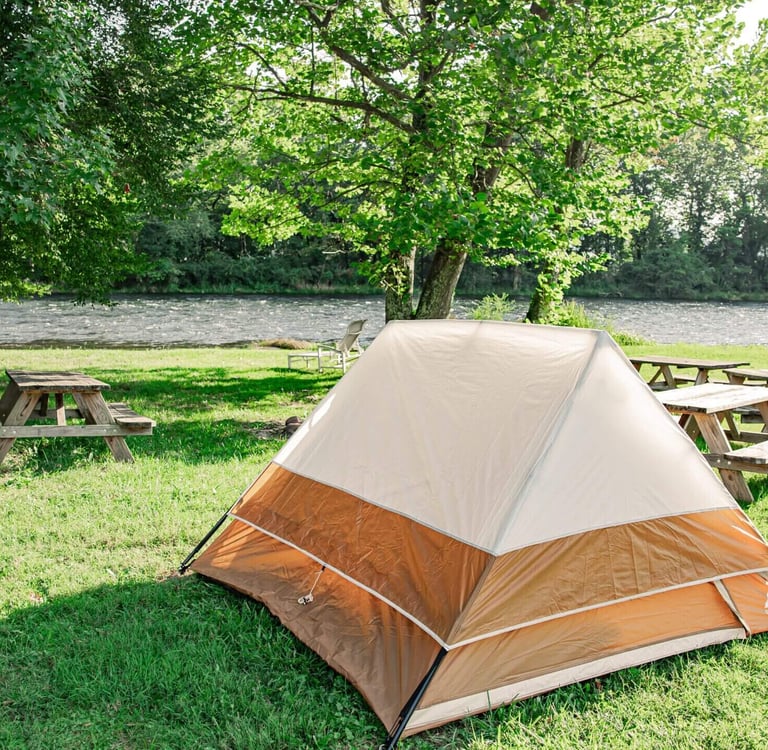
Affiliate Disclosure: This post contains affiliate links. This means I may earn a small commission—at no extra cost to you—if you choose to purchase through my links. I only recommend products I genuinely trust and use.
Introduction
Spring is one of the best times to go camping.
Campgrounds are less crowded. Air feels fresh. Nature is waking back up.
But spring camping also comes with its own challenges — unpredictable weather, muddy campsites, fluctuating temperatures, and early-season bugs.
If you’re new to camping, the Ultimate Beginner’s Guide to Car Camping covers the basics. This article focuses specifically on what makes spring camping different and how to prepare for it without overcomplicating your trip.
Spring doesn’t require special skills. It just requires flexibility.
Expect Weather to Change Quickly
Spring forecasts are suggestions — not guarantees.
You might experience:
Warm afternoons
Cold mornings
Sudden wind
Unexpected rain
Instead of trying to predict perfectly, plan for range.
These guides on camping in cold weather and camping in hot weather both apply in spring — sometimes within the same day.
Layering is your best tool.
Dress in Layers, Not Bulk
Spring comfort comes from flexibility.
Bring:
Lightweight base layers
A warm mid-layer
A wind- or rain-resistant outer layer
Extra socks
Clothing adjustments solve most spring discomfort.
Revisit what to wear car camping if you need a simple layering refresher.
Prepare for Mud
Spring often means soft ground.
To reduce frustration:
Bring footwear you don’t mind getting dirty
Pack an extra ground tarp if needed
Keep a small towel near your entry point
Avoid setting up in low, soggy areas
Choosing the right site matters. This guide on how to choose a campsite can help you spot drainage patterns and higher ground.
Mud is manageable with planning.
Keep Sleeping Gear Dry
Spring moisture can sneak in through:
Damp ground
Overnight condensation
Light rain
Before bed:
Change into dry layers
Store damp clothing separately
Keep sleeping gear elevated from wet surfaces
Sleep comfort is crucial — especially in fluctuating temperatures. This article on how to make camping more comfortable (without buying more stuff) reinforces that systems matter more than upgrades.
Watch for Early-Season Bugs
Spring brings emerging insects.
You don’t need extreme solutions, but it helps to:
Avoid standing water areas
Wear long sleeves in the evening
Keep food sealed
Close tents promptly
Bugs are usually manageable early in the season, but awareness helps prevent frustration.
Plan Simple Meals
Spring camping often means adjusting to weather shifts.
Keep meals:
Easy
Flexible
Low-cleanup
Warm breakfasts feel great on cool mornings. Check out this guide on best easy camping breakfast ideas which offers simple options that work well in spring.
Avoid overly complicated menus.
Expect the First Trip to Feel Slightly Rusty
If spring marks your first trip after a long break, things may feel unfamiliar.
You might:
Forget where items are packed
Need to adjust your setup
Feel slightly out of rhythm
That’s normal.
The first camping trip of the year explains how a preseason “shakeout” builds confidence quickly.
The first trip back is always a recalibration.
Daylight Hours Are Changing
Spring means:
Earlier sunrises
Longer evenings
Shifting light patterns
Plan accordingly:
Bring eye masks if needed
Expect earlier wake-ups
Take advantage of longer evenings
Spring daylight can feel energizing — but it also affects sleep.
Stay Flexible With Activities
Trail conditions may vary in spring.
Some areas may be:
Wet
Closed
Snow-covered at elevation
Have backup ideas.
If you need relaxed options, revisit fun things to do while camping for low-pressure activity ideas that don’t depend on perfect trail conditions.
Don’t Overpack for “Just in Case”
Spring unpredictability can trigger overpacking.
Instead of packing everything:
Pack layers
Bring rain protection
Keep systems simple
Revisit what NOT to bring camping to avoid clutter driven by weather anxiety.
Preparation should reduce stress — not create it.
Spring Camping Is Worth It
Despite the unpredictability, spring camping offers:
Fewer crowds
Cooler temperatures
Emerging wildlife
Fresh scenery
It’s one of the most peaceful times to camp.
With realistic expectations and flexible planning, it can become your favorite season.
Final Thoughts
Spring camping doesn’t require special gear or extreme planning. It simply asks you to prepare for change.
Dress in layers. Choose your campsite thoughtfully. Keep meals simple. Expect conditions to shift.
When you plan for flexibility, spring becomes less stressful and more enjoyable.
Sometimes the best camping trips happen when nature is still waking up.
Keep Camping Simple
Camping doesn’t need to be complicated. A few thoughtful choices make all the difference.
Want Simple Camping Tips Each Month?
Once a month, I send one short email with practical tips, comfort upgrades, and easy planning ideas.
No clutter. Just simple camping.