How to Store Food While Camping (Coolers, Bins & Safety Tips)
Simple food storage systems to keep meals fresh, campsites clean, and wildlife away
Kat Culler
2/5/20263 min read
Affiliate Disclosure: This post contains affiliate links. This means I may earn a small commission—at no extra cost to you—if you choose to purchase through my links. I only recommend products I genuinely trust and use.
Introduction
Food storage is one of the most overlooked parts of camping—especially for beginners. It’s easy to focus on meals and forget about how food will be stored once you arrive. Poor food storage can lead to spoiled food, messy campsites, or unwanted wildlife encounters.
If you’re new to camping, the Ultimate Beginner’s Guide to Car Camping covers the basics of planning and setup. This article focuses specifically on how to store food while camping, including cooler organization, dry food storage, and simple safety practices that make a big difference.
Why Food Storage Matters While Camping
Good food storage helps you:
Keep food fresh longer
Prevent leaks and spills
Avoid attracting animals
Stay organized
Reduce stress at camp
It’s also an important part of overall camping safety.
Cooler Storage Tips for Camping
Coolers are the most common way campers store perishable food.
How to Pack a Cooler Efficiently
For best results:
Pre-chill the cooler before packing
Use block ice or ice packs instead of loose ice
Keep raw food sealed and separate
Pack items you’ll use last on the bottom
Organizing food thoughtfully makes meals easier. These easy camping meals for beginners work best when cooler space is planned intentionally.
How to Keep a Cooler Cold Longer
To extend ice life:
Keep coolers in the shade
Open them as little as possible
Use a separate cooler for drinks
Drain water only if needed
Food storage becomes even more important in warm weather, when ice melts faster and food spoils more quickly.
Dry Food Storage: Bins, Boxes & Bags
Not all camping food needs a cooler.
Dry food works best when stored in:
Airtight plastic bins
Labeled containers
Reusable zip bags
Stackable storage boxes
Using bins helps keep food organized and easy to find. These car camping organization ideas are especially helpful for managing food alongside other gear.
What Foods Can Stay Out of a Cooler
Many foods don’t need refrigeration.
Examples include:
Bread and tortillas
Peanut butter
Crackers and snacks
Trail mix and nuts
Dried fruit
Shelf-stable meals
Planning meals around these foods makes camping simpler—especially if you’re trying no-cook camping meals or limiting cooler space.
Food Storage Safety & Wildlife Awareness
Food safety isn’t just about freshness—it’s also about wildlife.
Always:
Store food away from sleeping areas
Keep food sealed at all times
Never leave food unattended
Clean up immediately after meals
Food storage is a key part of camping safety. These car camping safety tips for beginners explain why wildlife awareness matters even in developed campgrounds.
If you’re camping on public land, this dispersed camping for beginners guide covers additional food storage considerations.
Where to Store Food at Camp
The best place to store food depends on your setup.
Common options:
Locked inside your vehicle
In sealed bins near camp
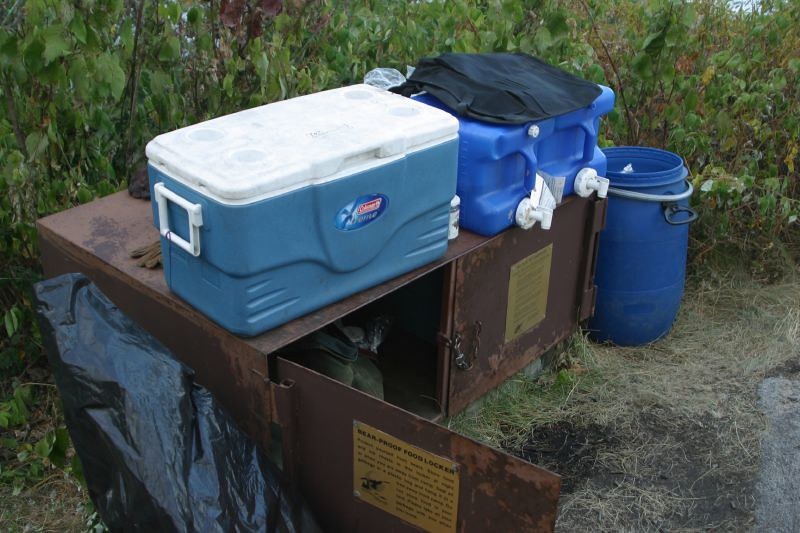
In bear boxes where provided
Never store food in tents—even sealed food can attract animals.
Trash Storage Matters Too
Trash smells stronger than food.
Best practices:
Use a dedicated trash bag or bin
Seal trash tightly
Remove trash daily if possible
Store trash with food (not near sleeping areas)
Managing trash well keeps your campsite cleaner and safer.
Food Storage for Solo Campers
When camping alone, staying organized matters even more.
Keep:
Food in one consistent location
Cooler access simple
Trash sealed and secured
These tips pair well with this solo car camping for beginners guide, which focuses on confidence and safety when camping alone.
Common Beginner Food Storage Mistakes
Avoid these common issues:
Overpacking the cooler
Letting food sit out
Mixing raw and cooked foods
Forgetting trash management
Storing food near sleeping gear
Many of these mistakes are easy to fix with a simple system. These 25 car camping hacks for beginners include several shortcuts that improve food storage and organization.
Use a Checklist Before You Go
Before leaving home, double-check food storage supplies.
The Car Camping Checklist helps ensure you don’t forget:
Coolers
Ice or ice packs
Food bins
Trash bags
Utensils
A little prep goes a long way.
Final Thoughts
Food storage is one of the simplest ways to improve your camping experience. With a few basic systems—coolers for perishables, bins for dry food, and consistent cleanup—you can keep meals fresh, campsites tidy, and wildlife at a safe distance.
Once you dial in a food storage routine, everything else about camping feels easier.
Keep Camping Simple
Camping doesn’t need to be complicated. A few thoughtful choices make all the difference.
Want Simple Camping Tips Each Month?
Once a month, I send one short email with practical tips, comfort upgrades, and easy planning ideas.
No clutter. Just simple camping.