
Car Camping vs Tent Camping: Which Is Better for Beginners?
A simple, honest comparison to help new campers choose the right way to start
Kat Culler
1/19/20263 min read
Affiliate Disclosure: This post contains affiliate links. This means I may earn a small commission—at no extra cost to you—if you choose to purchase through my links. I only recommend products I genuinely trust and use.
Introduction
If you’re new to camping, one of the first decisions you’ll face is whether to try car camping or tent camping. Both are popular, both can be enjoyable, and both have their place—but they offer very different experiences, especially for beginners.
If you’re still learning the basics, starting with the Ultimate Beginner’s Guide to Car Camping can help clarify what car camping involves before comparing it to tent camping. This article breaks down the pros and cons of each style so you can confidently choose the option that best fits your comfort level, goals, and lifestyle.
What Is Car Camping?
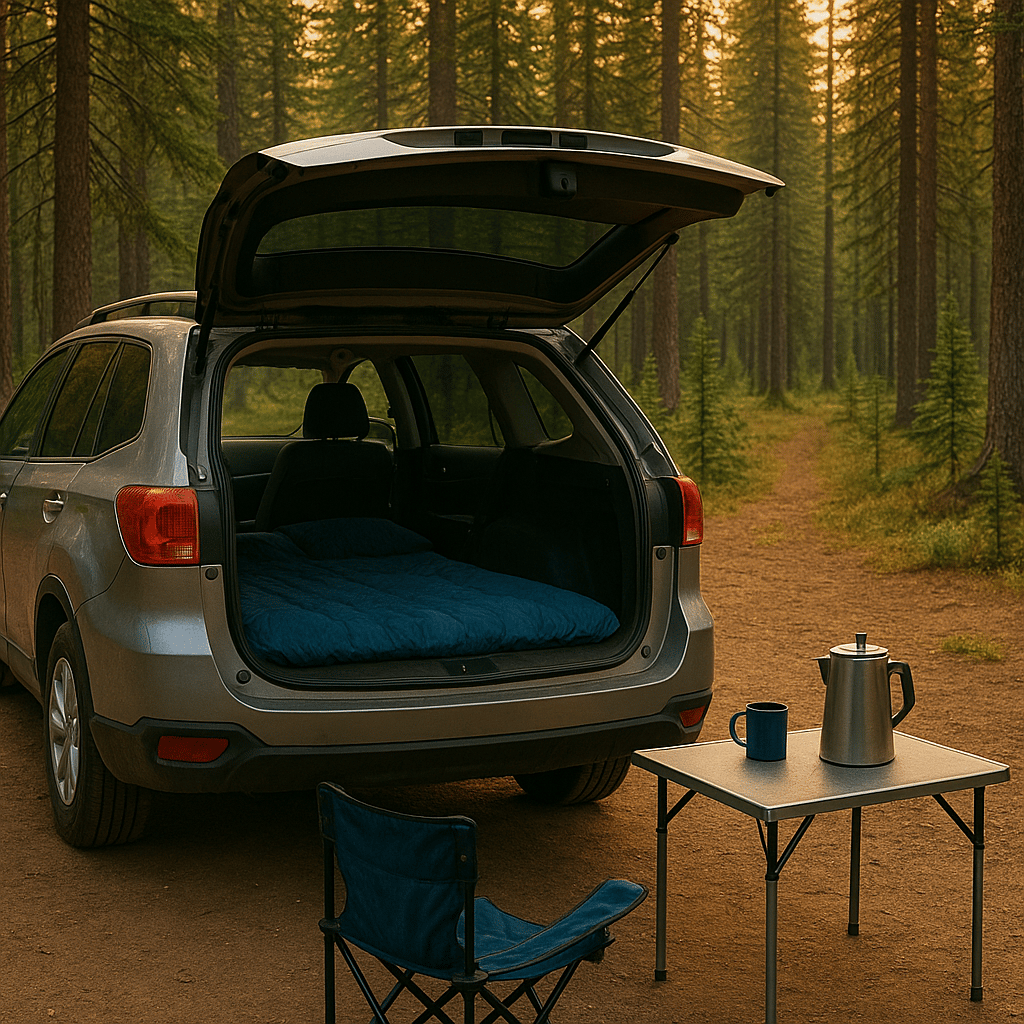
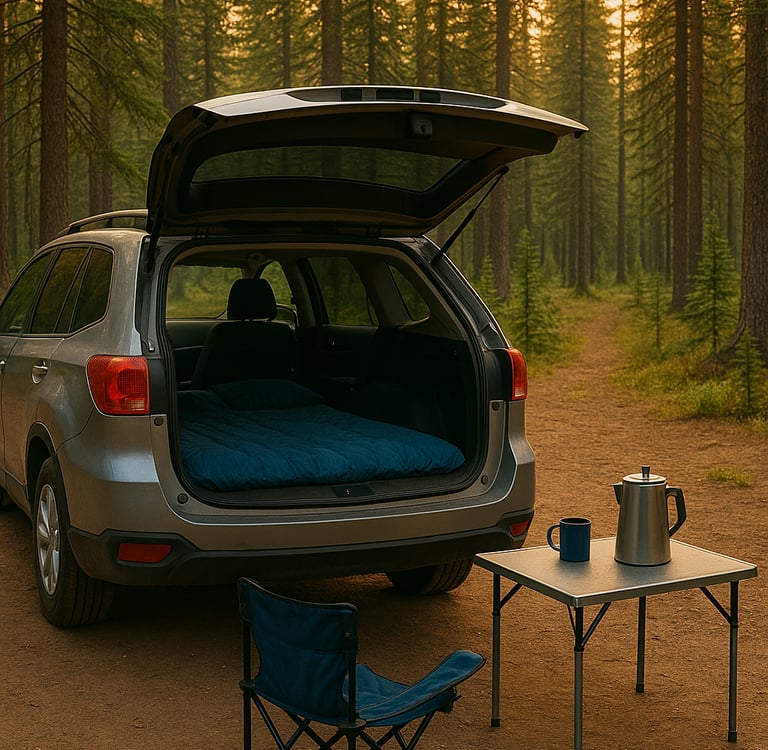
Car camping means you drive directly to your campsite and park next to (or very close to) where you sleep. Your car acts as storage—and sometimes even your sleeping space.
Car camping typically includes:
Easy access to gear
Heavier or bulkier items
Campgrounds or accessible public land
Flexibility to leave if needed
Many beginners choose car camping because it removes a lot of logistical stress.
What Is Tent Camping?
Tent camping usually involves sleeping in a tent set up on a designated tent pad or campsite.
Tent camping can be:
At campgrounds
At walk-in sites
On public land
It often feels more “traditional” and immersive—but it also requires more setup, gear familiarity, and weather awareness.
Ease of Setup: Car Camping vs Tent Camping
Car Camping:
✔ Faster setup
✔ Fewer gear decisions
✔ Easier adjustments if something goes wrong
Tent Camping:
✘ Requires tent setup
✘ Stakes, rainfly, and site selection matter more
✘ Mistakes are harder to fix once set up
For beginners, ease matters. If you’re still learning systems and routines, car camping is generally simpler.
Comfort & Sleep
Sleep quality can make or break a camping trip.
Car Camping Comfort
More insulation from wind
Easier temperature control
Option to sleep in your vehicle
If this appeals to you, this guide on how to sleep in your car comfortably and safely walks through beginner-friendly setups.
Tent Camping Comfort
More connection to nature
Requires a good sleeping pad and bag
More affected by ground conditions and weather
Cold nights surprise many new campers. This guide on how to stay warm while car camping also applies to tent campers—layering and insulation matter either way.
Weather Considerations
Weather impacts tent camping more than car camping.
Car Camping in Bad Weather
Easier to stay dry
Shelter is always nearby
Faster exit if conditions worsen
Tent Camping in Bad Weather
Requires good site drainage
Rain setup can be stressful
More reliance on proper gear
If you’re worried about wet conditions, this guide on camping in the rain explains why many beginners prefer car camping at first.
Safety & Peace of Mind
Feeling safe helps you relax—especially as a beginner.
Car Camping Safety
Quick access to your vehicle
Easy storage for food and valuables
Faster emergency exit
These car camping safety tips for beginners explain why many people feel more secure starting this way.
Tent Camping Safety
Safe when done properly
Requires more awareness of surroundings
Less separation from weather and wildlife
Both are safe—but confidence builds faster when you feel protected and flexible.
Packing & Organization
Packing is another major difference.
Car Camping
You can bring more
Organization is flexible
Mistakes are easier to correct
Using a system like this Car Camping Checklist helps beginners pack efficiently without overthinking.
Tent Camping
Gear weight matters more
Organization needs to be intentional
Forgetting items is more impactful
If staying organized feels overwhelming, these car camping organization ideas can reduce stress—especially early on.
Cost Differences
Neither style has to be expensive, but car camping is usually cheaper at first.
Car Camping Costs
Fewer specialized items
Can use gear from home
Less need for ultralight equipment
Tent Camping Costs
Tent, pad, stakes, footprint
More gear upgrades over time
Budget-friendly beginners often start with car camping and transition later.
Flexibility & Learning Curve
Car camping has a gentler learning curve.
You can:
Adjust plans easily
Leave early if needed
Learn what you like without pressure
Many experienced campers started with car camping before exploring tent or backpacking trips.
Which Is Better for Beginners?
For most beginners, car camping is the better place to start.
Car camping is ideal if you:
Want comfort and flexibility
Are camping for the first time
Want lower stress
Are unsure about gear
Want easier weather management
Tent camping may be better if you:
Enjoy minimalist experiences
Want a traditional feel
Are comfortable with gear setup
Have good weather conditions
There’s no wrong choice—but starting with car camping builds confidence faster.
A Smart Beginner Path
A common progression:
Start with car camping
Learn systems and preferences
Practice camping skills
Try tent camping once comfortable
This approach keeps camping enjoyable instead of overwhelming.
Final Thoughts
Both car camping and tent camping offer amazing outdoor experiences—but they serve different needs, especially for beginners. If comfort, flexibility, and ease matter most right now, car camping is a fantastic starting point. You can always expand into tent camping later once your confidence grows.
Camping isn’t about doing it the “right” way—it’s about finding what works best for you.
Keep Camping Simple
Camping doesn’t need to be complicated. A few thoughtful choices make all the difference.
Want Simple Camping Tips Each Month?
Once a month, I send one short email with practical tips, comfort upgrades, and easy planning ideas.
No clutter. Just simple camping.