How to Find Free Camping (BLM, National Forests & Apps for Beginners)
A simple, beginner-friendly guide to camping for free — legally and responsibly
Kat Culler
12/22/20254 min read
Affiliate Disclosure: This post contains affiliate links. This means I may earn a small commission—at no extra cost to you—if you choose to purchase through my links. I only recommend products I genuinely trust and use.
Introduction
One of the biggest surprises for new campers is learning that you don’t always have to pay to camp. Across the U.S., there are thousands of free camping options on public land — if you know where (and how) to look.
This guide walks you through exactly how to find free camping, what types of land allow it, what rules to follow, and which apps and tools make it easy — even if you’re brand new to camping.
If you’re new to camping overall, my Ultimate Beginner’s Guide to Car Camping walks through everything you need to know before trying free or dispersed sites.
What Is Free Camping?
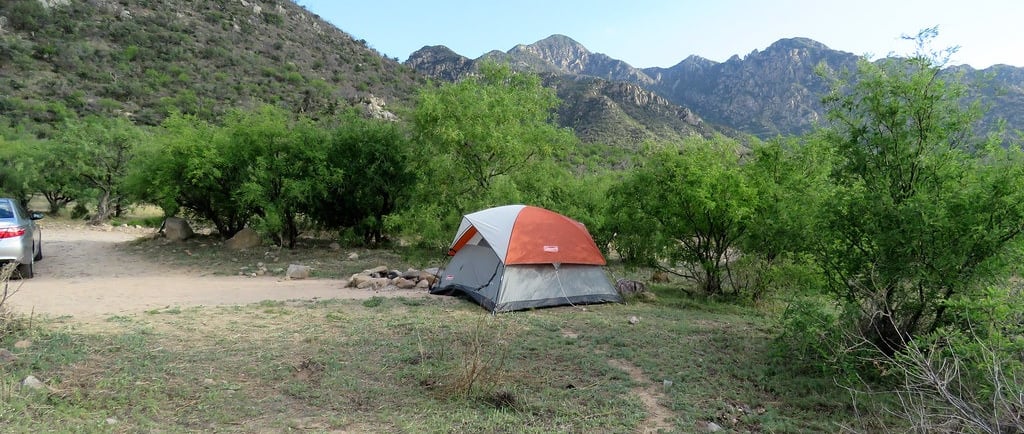
Free camping usually refers to dispersed camping on public land. This means camping outside of developed campgrounds without amenities like bathrooms, water, or trash service.
You won’t get picnic tables or fire rings — but you will get:
Quiet
Space
Privacy
Incredible views
Zero campground fees
It’s one of the best ways to keep camping simple and affordable.
The Best Places to Find Free Camping
Not all land allows free camping, but these types almost always do (with rules).
Choosing the right spot matters even more when camping for free — here’s my guide on how to choose a campsite so you end up somewhere safe and comfortable.
BLM Land (Bureau of Land Management)
BLM land is one of the easiest places to find free camping.
What to expect:
Free dispersed camping
Large open areas
Minimal restrictions
Popular in western states
Key rules:
Camp only in designated dispersed areas (if posted)
Usually limited to 14 days
Pack out all trash
Follow fire restrictions
BLM land is beginner-friendly because rules are generally straightforward and signage is often clear.
National Forest Land
National Forests allow dispersed camping in many areas.
What to expect:
Forest roads with pull-off campsites
Shaded, scenic locations
More privacy than campgrounds
Key rules:
Camp a certain distance from roads, trails, and water
Stay within posted time limits
Use existing sites whenever possible
National Forests are one of the best starting points for first-time free campers.
Where You Can’t Camp for Free
It’s just as important to know where free camping is not allowed.
Avoid:
National Parks (mostly restricted)
State Parks (usually paid sites only)
Private land (unless permitted)
Roadside pull-outs with “No Camping” signs
Residential areas or city streets (rules vary)
Always look for posted signage — when in doubt, move on.
Campground & Free Camping Apps
These apps help locate free and dispersed camping areas:
Popular options:
Apps that show BLM and National Forest land
Apps with user-submitted campsite reviews
Offline map apps (important for no-service areas)
Look for apps that show:
GPS coordinates
Photos
Road conditions
Cell service info
Recent reviews
Reviews are especially helpful for beginners.
Using Google Maps the Smart Way
Google Maps can help you spot potential free camping areas.
Search for:
Forest Service roads
BLM access roads
“Dispersed camping” near your destination
Then:
Switch to satellite view
Look for clearings or pull-offs
Cross-check with official land maps
Never rely on Google Maps alone — always confirm land ownership.
What Free Campsites Are Usually Like
Free campsites vary widely, but most include:
Dirt or gravel pull-off areas
Uneven terrain
No toilets
No water
No trash service
This is why being prepared matters — especially as a beginner. To make sure you don’t forget anything important, my Car Camping Checklist covers all the essentials for both campgrounds and free campsites.
What to Bring When Camping for Free
Since free sites have no amenities, you’ll want to be self-sufficient.
Plan to bring:
Plenty of water
Trash bags
Headlamp or lantern
Toilet plan (portable toilet or waste bags)
Extra food
Offline maps
Power bank
Warm layers
Once you’ve done it once, it feels very manageable. Staying organized is especially important when camping without amenities — these car camping organization ideas make free camping much easier.
Free Camping Safety Tips for Beginners
Free camping is safe when done responsibly.
Smart safety practices:
Arrive before dark
Camp where others have camped before
Avoid camping in washes or low areas
Check weather forecasts
Tell someone where you’re going
Trust your instincts
If something feels off, move — that’s the advantage of free camping.
Temperatures can drop quickly on public land, so this guide on how to stay warm while car camping is especially helpful for free sites.
Fire Rules & Leave No Trace
Free camping comes with responsibility.
Follow Leave No Trace:
Pack out everything you bring
Use existing campsites
Don’t damage vegetation
Respect wildlife
Keep noise minimal
Fire safety:
Follow local fire restrictions
Use existing fire rings if allowed
Fully extinguish fires
Skip fires entirely during high fire danger
Responsible campers keep free camping accessible for everyone.
Is Free Camping Good for Beginners?
Yes — with the right preparation.
If you’re brand new, start with:
National Forest land
Easily accessible sites
Short one-night trips
Good weather windows
Free camping becomes easier and more enjoyable as your confidence grows. Many people choose free campsites specifically so they can sleep in their vehicle — here’s how to sleep in your car comfortably and safely.
Common Beginner Mistakes to Avoid
Not checking land ownership
Arriving too late to find a site
Underestimating cold temperatures
Forgetting trash management
Ignoring fire restrictions
Relying on cell service
Learning these early saves a lot of frustration. For quick, practical tips that make free camping easier, these 25 Car Camping Hacks for Beginners are a great resource.
Final Thoughts
Free camping opens up an entirely new way to experience the outdoors — quieter, more flexible, and far more affordable. With a little planning and the right tools, it’s absolutely accessible for beginners. Cooking without campground amenities doesn’t have to be hard either — these easy camping meals for beginners work great at free campsites.
Start slow, stay organized, follow the rules, and you’ll quickly discover why so many campers prefer free public-land camping over crowded campgrounds.
Keep Camping Simple
Camping doesn’t need to be complicated. A few thoughtful choices make all the difference.
Want Simple Camping Tips Each Month?
Once a month, I send one short email with practical tips, comfort upgrades, and easy planning ideas.
No clutter. Just simple camping.