
How to Leave No Trace Without Overcomplicating It
A simple, beginner-friendly approach to camping responsibly and respectfully.
Kat Culler
4/13/20263 min read
Affiliate Disclosure: This post contains affiliate links. This means I may earn a small commission—at no extra cost to you—if you choose to purchase through my links. I only recommend products I genuinely trust and use.
Introduction
You’ve probably heard the phrase “Leave No Trace” before.
For some beginners, it can sound intimidating — like there are complicated rules or strict environmental standards to memorize before you’re allowed to camp responsibly.
In reality, Leave No Trace is much simpler than it sounds.
If you’re new to camping, the Ultimate Beginner’s Guide to Car Camping covers how to get started. This article focuses on something equally important: how to camp responsibly without turning it into something overwhelming or rigid.
You don’t need to be perfect. You just need to be thoughtful.
What Does “Leave No Trace” Actually Mean?
At its core, Leave No Trace means:
Leave the campsite looking like you were never there.
That’s it.
It’s about:
Respecting the land
Minimizing your impact
Protecting shared spaces
Making it enjoyable for the next camper
It’s not about anxiety. It’s about awareness.
Start With the Basics: Pack In, Pack Out
The simplest rule of Leave No Trace:
Everything you bring in, you bring out.
This includes:
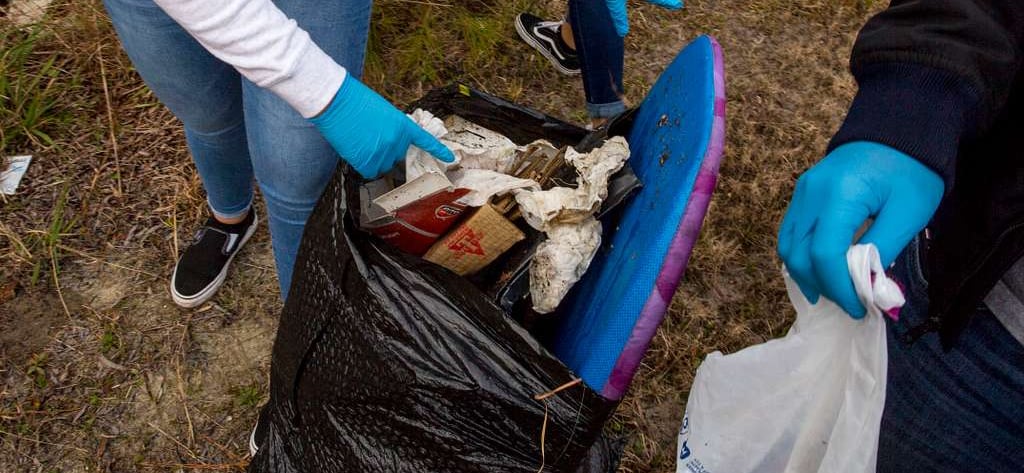
Food wrappers
Paper towels
Empty containers
Broken gear
Micro-trash (like twist ties or corner wrappers)
The Car Camping Checklist can help you remember trash bags and cleanup supplies so nothing gets left behind accidentally.
If you forget something small, it happens. Just clean it up before you leave.
Keep Campsites Clean and Organized
Clutter spreads.
When campsites are disorganized:
Trash blows away
Food attracts wildlife
Small items get forgotten
Staying organized — as outlined in how to set up camp efficiently — naturally reduces your impact.
Less chaos means less accidental damage.
Respect Wildlife (From a Distance)
Wild animals are not part of the camping experience to interact with.
Simple rules:
Store food securely
Don’t feed animals
Keep snacks contained
Dispose of scraps properly
Wildlife becomes dangerous when it associates campsites with food.
If you’re camping with kids, this is especially important — something discussed in camping with kids: how to keep it fun (without losing your mind).
Curiosity is fine. Feeding is not.
Use Established Campsites When Possible
One of the easiest ways to minimize impact is to:
Camp where camping is already allowed.
Established campsites:
Have durable ground
Designated fire rings
Defined spaces
This prevents unnecessary damage to new areas.
If you’re unsure how to evaluate sites, revisit how to choose a campsite for guidance.
Be Mindful of Campfires
Fire is one of the biggest impact points in camping.
To keep things simple:
Use established fire rings
Follow local fire restrictions
Fully extinguish fires
Never leave a fire unattended
If conditions are dry or windy, skip the fire entirely.
Comfort doesn’t require flames — as discussed in how to make camping more comfortable (without buying more stuff).
Dispose of Waste Properly
If bathrooms are available, use them.
If not:
Follow local regulations
Dispose of human waste responsibly
Never leave paper exposed
Most established campgrounds make this easy.
When in doubt, follow posted guidance.
Keep Noise and Light Minimal
Leave No Trace isn’t only about physical impact — it’s also about experience.
Be mindful of:
Loud music
Bright floodlights
Late-night noise
Other campers are there for rest and nature.
Simple awareness creates shared respect.
Avoid Damaging Natural Features
It can be tempting to:
Carve into trees
Move rocks
Create new fire rings
Clear brush
Avoid altering the landscape.
Camping works best when we coexist with the environment — a theme explored in what camping teaches you over time.
Don’t Overthink It
Many beginners worry they’ll accidentally do something wrong.
Here’s the reality:
If you:
Clean up after yourself
Follow campground rules
Respect wildlife
Stay in designated areas
You’re already doing well.
Most Leave No Trace principles are common sense.
Overcomplicating it can create unnecessary stress.
Why Leave No Trace Matters
When campers leave sites cleaner than they found them:
Campgrounds stay open
Wildlife remains safe
Natural spaces stay beautiful
Future campers enjoy the same experience
Camping is a shared privilege.
Small actions protect it.
Final Thoughts
Leave No Trace doesn’t require memorizing complex rules or feeling anxious about every movement.
It simply asks you to:
Be aware.
Be respectful.
Leave things as you found them — or better.
Camping becomes more meaningful when you know you’re caring for the places you enjoy.
Keep Camping Simple
Camping doesn’t need to be complicated. A few thoughtful choices make all the difference.
Want Simple Camping Tips Each Month?
Once a month, I send one short email with practical tips, comfort upgrades, and easy planning ideas.
No clutter. Just simple camping.