
Camping Anxiety Is Normal: How to Feel Confident Your First Night
Why nerves are part of the experience—and how to settle into camp with ease
Kat Culler
3/12/20263 min read
Affiliate Disclosure: This post contains affiliate links. This means I may earn a small commission—at no extra cost to you—if you choose to purchase through my links. I only recommend products I genuinely trust and use.
Introduction
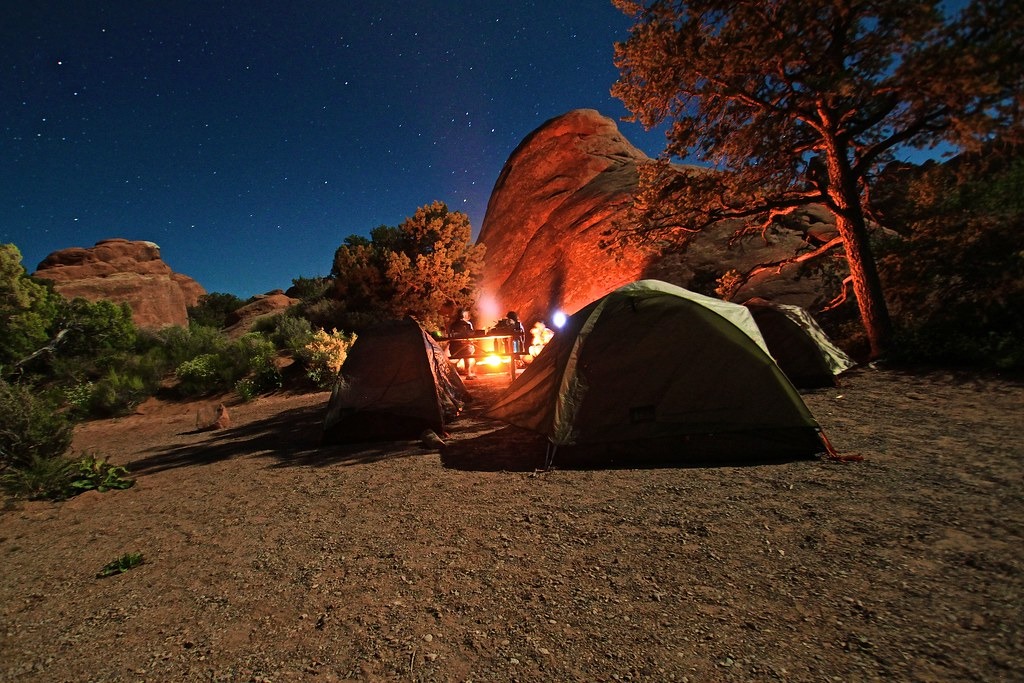
For many people, the most difficult part of camping isn’t packing, planning, or even sleeping outside—it’s the first night. As the sun goes down and things get quiet, anxiety can creep in. Strange sounds, unfamiliar surroundings, and the feeling of being “out of your element” can make it hard to relax.
If you’re new to camping, the Ultimate Beginner’s Guide to Car Camping covers the basics of getting started. This article focuses on something less talked about but very common: camping anxiety, especially during your first night.
Feeling nervous doesn’t mean you’re doing camping wrong. It means you’re human.
Why Camping Anxiety Happens
Camping places you outside your normal routines.
Anxiety often comes from:
Being in an unfamiliar environment
Reduced lighting and visibility
New sounds at night
Fear of the unknown
Pressure to “enjoy it”
Your brain is wired to notice changes. When you camp, it’s doing exactly what it’s designed to do—stay alert in new situations.
You’re Not the Only One Who Feels This Way
Camping anxiety is far more common than people admit.
Many experienced campers will tell you:
The first night is always the hardest
The second night feels dramatically easier
Confidence builds faster than expected
Anxiety doesn’t mean camping isn’t for you—it usually means you’re still adjusting.
How to Set Yourself Up for a Calmer First Night
Small choices can make a big difference.
Helpful strategies include:
Choosing familiar campgrounds
Arriving before dark
Keeping your setup simple
Sticking to familiar routines
If it’s your first trip of the season, this guide on your first camping trip of the year explains how a gentle re-entry helps rebuild confidence.
Light Helps More Than You Think
Darkness often amplifies anxiety.
Helpful lighting habits:
Use soft lantern light instead of harsh headlamps
Keep a small light nearby at night
Avoid flooding your campsite with brightness
Just enough light helps your brain relax without overstimulation.
Understanding Nighttime Sounds
Many nighttime sounds feel unfamiliar but are harmless.
Common sounds include:
Wind in trees
Small animals moving through brush
Distant campers or vehicles
Fabric moving in the breeze
Learning what’s normal helps reduce fear. This is one reason many beginner camping myths fade after a few trips.
Create a Familiar Evening Routine
Routine helps signal safety to your brain.
Try:
Eating a warm or familiar meal
Changing into comfortable clothes
Doing the same bedtime habits you do at home
Avoiding stimulating content before bed
Camping doesn’t require abandoning comfort—it just asks you to adapt it.
Where You Sleep Matters
Feeling secure in your sleeping setup is key.
Make sure:
Your sleeping area feels organized
Essentials are within reach
You feel physically comfortable
If you sleep in your car, this guide on how to sleep in your car comfortably and safely can help make your setup feel more controlled and familiar.
Breathe Through the Moment
Anxiety often peaks briefly and then fades.
When it shows up:
Take slow, deep breaths
Name what you’re feeling without judgment
Remind yourself that you’re safe
Most first-night anxiety passes faster than expected.
Know When to Adjust—Not Push Through
Confidence doesn’t come from forcing yourself to endure discomfort.
It’s okay to:
Change sleeping locations
Sit in your car for a bit
Turn on a light
Leave early if needed
Car camping gives you flexibility. Using it is part of camping smart.
Confidence Builds Quickly
What surprises many beginners is how fast confidence grows.
Often:
One calm night changes everything
Familiarity replaces fear
The environment starts to feel welcoming
Camping teaches this quietly over time, as explored in what camping teaches you beyond logistics.
When Anxiety Turns Into Awareness
Over time, anxiety often transforms into attentiveness.
You begin to:
Notice nature without fear
Feel grounded instead of tense
Sleep more deeply
What once felt overwhelming becomes soothing.
Final Thoughts
Camping anxiety is normal—especially your first night. It doesn’t mean you’re unprepared or unsuited for camping. It simply means you’re adjusting to something new.
Confidence comes from experience, not perfection. Give yourself permission to move at your own pace. With each trip, camping feels less intimidating and more like home.
Keep Camping Simple
Camping doesn’t need to be complicated. A few thoughtful choices make all the difference.
Want Simple Camping Tips Each Month?
Once a month, I send one short email with practical tips, comfort upgrades, and easy planning ideas.
No clutter. Just simple camping.